Anime archetypes are the quintessential building blocks of storytelling in Japanese animation. These character molds serve as a shorthand for viewers, allowing them to quickly grasp the fundamental nature of a character. By analyzing these archetypes, we gain valuable insights into the cultural and narrative framework of anime.
Table of Contents
What are anime archetypes?
Anime archetypes are a set of character types that are recurrently used across various anime series and genres. These archetypes embody specific traits, behaviors, or roles that are immediately recognizable to fans. From the hero to the mentor, to the comic relief, each archetype has its own set of characteristics that contribute to the anime’s storytelling.
Understanding these archetypes is crucial for grasping the depth of anime characters, as they often represent more than just their surface traits. Beneath the common features lies a complex web of cultural nuances and psychological cues that resonate with the audience.

Moreover, anime archetypes are not static. They evolve with the medium, reflecting changing social attitudes and artistic trends. They are a window into the zeitgeist of Japanese media and its global influence.
Characteristics of anime archetypes
Each anime archetype is distinguished by a unique set of characteristics that defines its role in the story. For instance, the Shonen hero often exhibits traits like unwavering determination, a sense of justice, and an innate potential for growth. Similarly, the Sage is endowed with wisdom and serves as a guide for other characters.
These characteristics are designed to resonate with the viewers, often adhering to cultural expressions in anime that carry a deeper meaning. They allow the audience to forge a connection with the characters, making the viewing experience more immersive and emotionally charged.

It’s these defining traits that not only contribute to the iconic status of certain characters but also influence character development in anime.
How buffing and nerfing affect anime archetypes
Anime archetypes can undergo changes known as buffing and nerfing, which are terms borrowed from gaming culture. Buffing involves enhancing a character’s abilities or traits to make them more powerful or relevant. Conversely, nerfing is the process of diminishing a character’s attributes to reduce their dominance or to introduce new challenges for them.
These adjustments can have a significant impact on the narrative and the audience’s perception of a character. They can reinvigorate interest in a storyline or shift the dynamics between characters, adding layers of complexity to the plot.

Such changes are often employed to maintain a balanced and engaging story. They ensure that characters evolve and that the story does not become predictable.
Understanding support in anime archetypes
Support in anime archetypes refers to how certain character types are favored or promoted within a series. This can be seen in the way certain traits are emphasized or how some characters receive more screen time and character development.
For example, in the Yu-Gi-Oh! series, archetypes that are popular in the anime often see parallel support in the corresponding trading card game. This crossover appeal reinforces the popularity of certain archetypes and creates a synergy between the anime and the game.

Support can also manifest in the form of character arcs, where specific archetypes are given narrative prominence to explore their backgrounds and motivations, thereby providing a richer storytelling experience.
What are the different types of Dere characters?
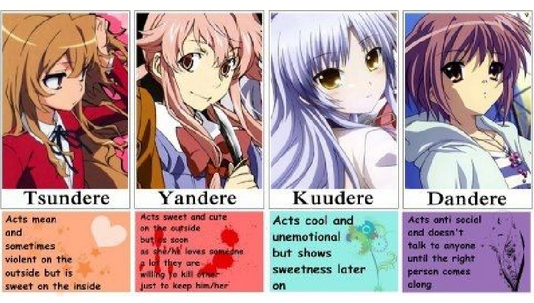
The term “Dere” refers to a character’s behavior towards love and relationships, and it’s a significant aspect of female anime character archetypes. Some of the most common Dere types include:
- Tsundere: A character who is initially cold and even hostile towards another character but gradually becomes warmer and affectionate.
- Yandere: A character who is initially loving and caring but becomes aggressive and possibly dangerous, often due to an obsession with their love interest.
- Kuudere: A character who appears calm and composed but eventually reveals a softer, more caring side.
- Dandere: A character who is quiet and withdrawn but becomes talkative and expressive when around their love interest.
These character types are essential for understanding the romantic and interpersonal dynamics within an anime series. They serve as cultural expressions and are a staple in anime character design.

Anime archetypes analysis: A comprehensive overview
The comprehensive analysis of anime archetypes involves diving deep into the vast array of character types that populate the medium. This encompasses both male and female archetypes, each bringing its own flavor to the narrative tapestry of anime.
From the stoic Bishonen to the energetic Genki girl, a broad spectrum of archetypes exists, offering a rich variety of storytelling possibilities. These archetypes are not only instrumental in driving the plot forward but also act as a mirror reflecting the multi-faceted nature of human emotions and relationships.
Through this analysis, one can appreciate the subtleties and complexities of anime characters, going beyond the common tropes to uncover the artistry and cultural significance embedded within them.
Anime archetypes analysis is a fascinating subject that reveals the depth and intricacy of character development in this beloved medium. Understanding these archetypes can greatly enhance one’s appreciation for anime and its powerful storytelling capabilities.