
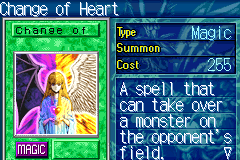
In the vast and intricate world of Yu-Gi-Oh!, few cards have garnered as much attention as Change of Heart. This powerful Spell Card is not only a fan favorite but also a topic of considerable discussion for its strategic implications and historical significance in competitive play. Delving into the Yu-Gi-Oh! Wiki – Fandom, one can uncover a treasure trove of information about this iconic card.
Table of Contents
What is Change of Heart in Yu-Gi-Oh?
The Change of Heart card stands out in Duel Monsters as a spell of formidable strength. With the ability to seize control of an opponent’s monster until the End Phase, it can turn the tide of a duel in a single play. It’s a card that players both respect and fear due to its direct and immediate impact on the game.
As part of Yu-Gi-Oh! history, Change of Heart epitomizes the dynamism of card game mechanics, where a single card can alter the game’s outcome. The Yu-Gi-Oh! Wiki – Fandom provides extensive details about this card, among other spell cards, shining a light on their uses and tactics.

Throughout the history of the Trading Card Game (TCG), Change of Heart has been a subject of debate, leading to discussions about its place in the game’s balance and its status within tournament rules.
How does Change of Heart work?
The mechanics of Change of Heart are straightforward yet potent. When activated, the card allows the player to target a monster on their opponent’s side of the field and gain control of it. This sudden shift can disrupt an opponent’s strategy, provide defense, or even serve as the linchpin for a winning move.

In the context of Yu-Gi-Oh! gameplay, where monsters are the primary means of attack and defense, the strategic value of such control cannot be overstated. It’s a clear example of a game-changer, a property well-documented on the Yu-Gi-Oh! Wiki – Fandom.
Despite its simplicity, mastering the timing and utilization of Change of Heart requires insight and experience. It’s an asset in the hands of a skilled player and a critical element in competitive play strategies.

What are the effects of Change of Heart?
The effects of Change of Heart have been pivotal in many duels, both casual and competitive. Its capacity to commandeer an opponent’s monster can facilitate surprise comebacks and unexpected victories. This disruptive power is why it is often a staple in discussions about Yu-Gi-Oh! card game mechanics.
On the Yu-Gi-Oh! Wiki – Fandom, the card’s attributes are dissected to help players understand how to integrate it into their decks. Through careful analysis of Change of Heart Card Effects Explained, duelists can better appreciate the depth of strategy that this card introduces.

Moreover, its ability to take control of any monster, regardless of its strength or abilities, makes it a versatile tool in numerous situations, further cementing its place as a top-tier card in the realm of Duel Monsters.
Why is Change of Heart banned or limited?
- The overwhelming potential of Change of Heart to shift duel outcomes led to its ban in official tournaments. Its status as a banned or limited card is a testament to its power.
- The decision to restrict the card was crucial to maintaining balance within the game, ensuring that no single card could dominate the scene.
- The Complete Guide to Change of Heart | Yu-Gi-Oh! Wiki – Fandom elaborates on the historical context of such regulatory measures.
What editions of Change of Heart exist?
Change of Heart has seen numerous editions and reprints over the years, each edition holding a unique place as a collector’s item. From its original print to its latest incarnations, the card has evolved visually while maintaining its iconic status.

Certain editions are particularly sought after by collectors, and information on where to acquire these prized items can be found under topics like “Where can I find a collector’s edition of Change of Heart?” on various platforms.
These editions not only reflect the card’s history but also the ever-changing trends within the Yu-Gi-Oh! TCG.

Did Yugi use Change of Heart in the Anime?
In the anime series, Yugi Muto, the protagonist, wielded Change of Heart with dramatic flair, further solidifying the card’s legendary status among fans. Its appearances in pivotal duels captured the imaginations of viewers and emphasized the card’s narrative significance.
The anime adaptations showcased the card in action, often turning the tide in Yugi’s favor and highlighting the importance of strategy and quick thinking.

On the Yu-Gi-Oh! Wiki – Fandom, fans can revisit these memorable moments and explore the card’s anime history.
What is the history of Change of Heart in competitive play?
Change of Heart’s journey through the competitive scene is storied and rich. It has been a subject of discussion, rule changes, and meta shifts, often serving as a benchmark for evaluating new cards.

As the metagame evolved, the card’s status shifted, leading to its eventual ban. The decision reflected the ongoing efforts to preserve competitive integrity within the Yu-Gi-Oh! TCG.
Yet, even as banned, its legacy continues to influence strategies and gameplay, as chronicled in articles such as Change of Heart and Its Tournament Implications | Yu-Gi-Oh! Wiki – Fandom.

In conclusion, Change of Heart remains an emblematic card within the Yu-Gi-Oh! universe, its impact resonating through the years. Whether it’s through the pages of the Yu-Gi-Oh! Wiki – Fandom, the storied history of competitive play, or the cherished memories of anime fans, Change of Heart endures as a symbol of the power and unpredictability that make Yu-Gi-Oh! the fascinating game it is today.