Table of Contents
- Understanding card rulings: Maxx “C”
- What is the effect of Maxx “C” in Yu-Gi-Oh?
- When was Maxx “C” banned in TCG?
- What can negate Maxx “C”?
- What makes Maxx “C” unique?
- Strategies for utilizing Maxx “C” effectively
- Maxx “C” archetype: an overview
- Understanding deck building with Maxx “C”
- Maxx “C” in digital platforms: Duel Links and Master Duel
- Related questions about Maxx “C”
Understanding card rulings: Maxx “C”
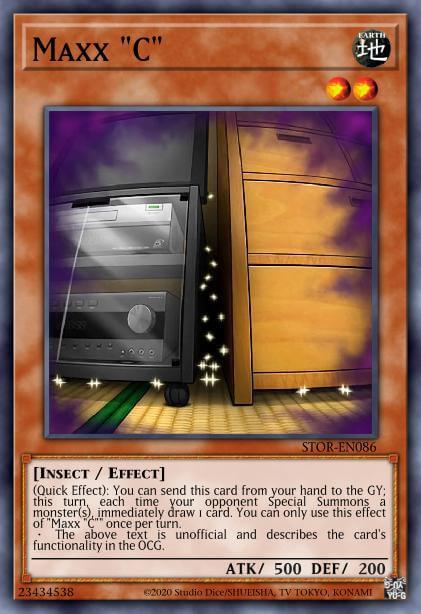
For many Yu-Gi-Oh! enthusiasts, the Card Rulings: Maxx “C” section on the Yu-Gi-Oh! Wiki is an essential resource. This powerful card has a unique effect that allows a player to draw a card whenever their opponent Special Summons a monster during the player’s turn. The strategic implications of this effect cannot be overstated, as it can drastically change the flow of the game.
Delving into the Yu-Gi-Oh! Wiki, one can find detailed information on how to properly utilize Maxx “C” and understand the intricacies of its rulings. Whether you’re a seasoned player or new to the world of TCG (Trading Card Game), this guide will equip you with the knowledge to maximize your gameplay with Maxx “C”.

What is the effect of Maxx “C” in Yu-Gi-Oh?
The effect of Maxx “C” is to provide the player who uses it with the opportunity to draw a card each time the opponent Special Summons a monster. This has made Maxx “C” a valuable card in a player’s deck, as it can quickly replenish the player’s hand, potentially leading to more strategic plays or defensive options.
Due to the potency of this draw mechanic, Maxx “C” has become a cornerstone in many decks, shaping the way players construct their strategies. The card’s ability to act as a deterrent against Special Summon-heavy decks makes it uniquely versatile.

In game formats where Maxx “C” is not banned, it remains a formidable tool. Players often need to decide between advancing their board state at the risk of giving their opponent card advantage or holding back, which can lead to stagnation in their offensive strategy.
When was Maxx “C” banned in TCG?
The TCG ban on Maxx “C” came into effect due to its overwhelming influence on gameplay, with the card having been added to the banlist to maintain a balanced competitive environment. The timing of its ban fluctuates, with periods where it’s allowed and times when it’s prohibited, reflecting the ongoing adjustments in game balance.

Monitoring the ban status of Maxx “C” is crucial for competitive play, as its legality can significantly impact deck building and overall strategy. Players must stay informed about the latest banlist updates to ensure their decks remain compliant with the current rules.
An understanding of the ban cycle also allows players to anticipate potential shifts in the meta-game, preparing them for when Maxx “C” either becomes a legal option again or when it must be removed from their decks.

What can negate Maxx “C”?
Negating Maxx “C” can be accomplished through various means, such as using cards that stop effects from being activated or employing strategies that limit the opponent from drawing cards. Savvy duelists will have a repertoire of tactics to counter the use of Maxx “C”, ensuring they can continue their Special Summoning without the drawback of their opponent gaining card advantage.
Understanding which cards can effectively negate Maxx “C” is a significant aspect of competitive play, particularly in formats where the card is legal. Players must be adept at navigating around the Maxx “C” challenge, either by incorporating countermeasures into their decks or adjusting their playstyle accordingly.

Additionally, recognizing the timing of Maxx “C” activations and knowing how to respond can be the difference between victory and defeat. Mastery of game mechanics is essential in these scenarios, as well as a deep knowledge of card interactions and effect resolutions.
What makes Maxx “C” unique?
Maxx “C” stands out due to its draw effect that triggers off the opponent’s actions, a characteristic not commonly found in Yu-Gi-Oh! cards. This unique quality can intimidate opponents, as they must weigh the benefits of advancing their field against providing their adversary with more resources.

The psychological impact of Maxx “C” cannot be underestimated. It can force an opponent into a less optimal play or bait them into overextending, both of which can be advantageous. Its uniqueness also arises from the card’s adaptability; it can seamlessly fit into a wide array of deck types, making it a versatile and powerful addition.
Furthermore, Maxx “C” has a legacy within Yu-Gi-Oh! that transcends its in-game use. Its impact on game design and the player community has been profound, sparking discussions and debates on card balance and fairness in TCG and OCG formats alike.

Strategies for utilizing Maxx “C” effectively
To use Maxx “C” effectively, players must develop strategies that incorporate timing and anticipation. Playing Maxx “C” at the right moment can either deter an opponent from further Special Summoning or provide a substantial card advantage if the opponent proceeds.
Incorporating Maxx “C” into a deck also requires understanding the current meta. If Special Summoning is prevalent, Maxx “C” becomes a more valuable asset. Players must also be prepared for the possibility of the opponent negating Maxx “C”, and have contingency plans in place.

Being adept at reading the opponent’s playstyle and predicting their moves can turn Maxx “C” into a tool for disruption as well as advantage. The card’s presence alone can alter how an opponent plays, giving the user of Maxx “C” a psychological edge.
Maxx “C” archetype: an overview
The Maxx “C” archetype refers not to a group of interconnected cards but rather to the strategy revolving around Maxx “C” itself. As a standalone card that can fit into numerous decks, it doesn’t belong to a specific archetype but enhances many by its draw mechanic.

Understanding how Maxx “C” synergizes with different archetypes is key to unlocking its full potential. Some decks may benefit more from the inclusion of Maxx “C” due to their reliance on hand size or their ability to counteract the opponent’s summons.
Players should consider not just how Maxx “C” affects their own strategy but also how it might interact with their opponent’s. Tailoring your deck to accommodate Maxx “C” can lead to a significant strategic advantage in various gameplay scenarios.

Understanding deck building with Maxx “C”
Deck building with Maxx “C” requires a nuanced approach, as players need to assess both its synergies with other cards and its impact on overall strategy. The card’s ability to provide draw power means that decks can be constructed with slightly more risk, knowing that Maxx “C” can potentially replenish resources.
However, players must also be prepared for Maxx “C” to be negated or unavailable due to ban restrictions. This necessitates a balanced approach to deck building, where Maxx “C” enhances the strategy rather than serving as its sole crux.

Considering the different game formats, such as TCG and OCG, where card legality may differ, is also crucial. Maxx “C” may have varying levels of influence depending on the format, thus influencing how decks are constructed and played.
Maxx “C” in digital platforms: Duel Links and Master Duel
The presence of Maxx “C” on digital platforms like Duel Links and Master Duel exemplifies its reach beyond physical play. These platforms often have separate banlists and metagames, where Maxx “C” can have a different status and impact.

Players engaging with Yu-Gi-Oh! in a digital format must be aware of how Maxx “C” operates within these environments. This includes understanding any platform-specific rulings and the current state of the digital meta, where Maxx “C” may be used differently than in physical tournaments.
Adapting strategies for digital play with Maxx “C” often involves a more dynamic approach, as updates and changes to the game can come more swiftly than in the physical card game. Staying informed and versatile is key to success.

Related questions about Maxx “C”
What is the Maxx C effect in Yugioh?
The effect of Maxx “C” in Yu-Gi-Oh! allows a player to draw a card each time their opponent Special Summons a monster. This potent effect can accelerate a player’s strategy by increasing their hand size, providing more options for countering the opponent’s moves or developing their own board.
Utilizing Maxx “C” effectively requires an understanding of its timing and potential counterplay. Recognizing when to deploy Maxx “C” can be as crucial as the cards drawn from its effect, making it a game-changer in many duels.

When was Maxx C banned in TCG?
Maxx “C” has experienced a fluctuating ban status in the TCG, with its current ban implemented to maintain balance in the competitive scene. The date of its ban can be found on the official Yu-Gi-Oh! website, where banlists are regularly updated to reflect changes in the game’s balance.
Its ban in TCG is a testament to the card’s power and influence on gameplay dynamics. Players must regularly check the banlist to ensure their decks are compliant with the latest rules.

What can negate Maxx C?
Cards and strategies that can negate Maxx “C” include effect negation cards or cards that prevent the opponent from drawing. It’s essential for players to have answers to Maxx “C” or to adapt their strategies to minimize its impact on their game plan.
Understanding the options available to counter Maxx “C” is a critical aspect of competitive play, especially in formats where the card is legal. Preparedness and adaptability are key in dealing with this formidable card.

What makes Maxx “C” unique?
Maxx “C” is unique due to its ability to influence the opponent’s summoning decisions and its potential to dramatically increase a player’s card advantage. Its impact on the game extends beyond its in-game use, affecting deck building, game strategies, and even the design of new cards.
The card’s uniqueness is further highlighted by its long-standing presence and discussion in the Yu-Gi-Oh! community, solidifying its status as a significant piece of the game’s history and evolution.