
Poisonous vipers are among the most feared reptiles in the world, and for a good reason. These serpents possess a combination of characteristics that make them both fascinating and dangerous. In the wild, they play a crucial role in the balance of ecosystems, serving as both predators and prey. Understanding their characteristics and habitats is essential for anyone living in or exploring areas where these snakes are found.
What are the characteristics of poisonous vipers?
Vipers are instantly recognizable by their distinctive physical features. These venomous snakes typically have a stocky body with a short tail, a triangular-shaped head distinct from the neck, and keeled scales. Their eyes feature vertically elliptical pupils, which are indicative of their nocturnal hunting habits. Most notably, vipers possess long, hinged fangs that allow them to inject venom deep into their prey.
Where do poisonous vipers live?
The habitats of poisonous vipers are diverse, ranging from deserts and arid regions to rainforests and wetlands. They are remarkably adaptable and can be found on almost every continent, with the exception of Antarctica. Some species prefer rocky outcrops and mountainous terrains, while others, like the Malabar pit viper, inhabit the dense foliage of tropical forests.
What is the most poisonous viper?
The debate over the most poisonous viper is a topic of much discussion among herpetologists. However, many agree that the title could belong to species like the Russell’s viper, which is responsible for more human fatalities in Asia than any other venomous snake. Its potent hemotoxic venom can cause severe pain, swelling, and even death if not treated promptly.
How to identify a poisonous viper?
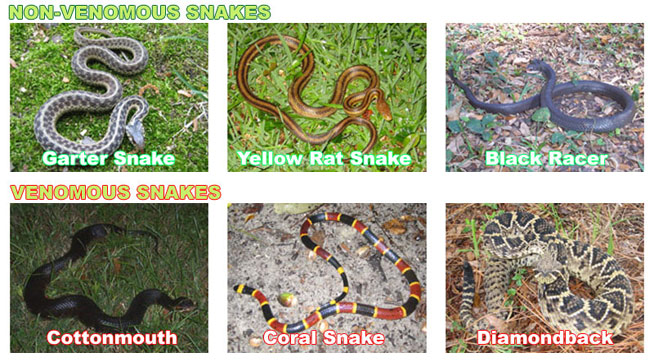
Identifying a poisonous viper requires a keen eye and knowledge of key identifiers. One should look for the distinctive triangular head, the presence of heat-sensitive pits between the eyes and nostrils (in the case of pit vipers), and the pattern of scales on the body. In some regions, like Florida, color patterns can also help distinguish venomous snakes from their non-venomous counterparts.
What are the risks of a viper bite?
A viper bite can be life-threatening due to the powerful venom these snakes possess. The venom composition varies between species, but they can cause symptoms ranging from local pain and swelling to severe systemic effects, including blood clotting disorders, muscle breakdown, and organ failure. Immediate medical attention is crucial for any suspected viper bite.
How do vipers hunt their prey?
Vipers are skilled hunters, and many species use a combination of stealth and power to capture their prey. The pit viper, for example, has specialized heat-sensing organs that allow it to detect warm-blooded animals, even in complete darkness. Once prey is detected, vipers strike quickly, inject venom, and then wait for the animal to succumb before consumption.
The ultimate guide to identifying poisonous vipers in your area
To stay safe and coexist with these creatures, it is vital to understand how to identify poisonous vipers in one’s region. Awareness of local viper species, their habitats, and behavior patterns can greatly reduce the risk of dangerous encounters. It is also important to respect their space and avoid areas where snakes are likely to be found.
Identifying poisonous vipers in your region
Depending on your geographic location, the types of vipers you may encounter can vary greatly. In North America, species like the cottonmouth and the copperhead are common in certain areas. It’s essential to familiarize yourself with the specific species native to your region for accurate identification and to take appropriate safety measures.
Safety tips when encountering vipers
When encountering a viper, the best course of action is to maintain a safe distance and avoid any sudden movements that may provoke the snake. It’s also wise to wear protective clothing such as long pants and boots when hiking in areas known to have venomous snakes.
Understanding viper venom and its effects
Viper venom is a complex mixture of enzymes and proteins designed to immobilize and digest prey. The effects of the venom can vary depending on the amount injected and the health status of the individual. Understanding the potential effects of viper venom is important for recognizing the urgency of seeking medical care after a bite.
Common myths about poisonous vipers
There are many myths surrounding venomous vipers, such as the belief that they are aggressive and will chase humans. In reality, vipers prefer to avoid confrontation and will typically only strike if they feel threatened. Dispelling such myths is important for reducing fear and promoting coexistence with these misunderstood creatures.
Viper species
With over 200 known species of vipers, there is a rich diversity within this group of snakes. Each species has evolved unique traits and adaptations to survive in their specific environments. From the arid-loving Gaboon viper to the forest-dwelling green pit viper, the range of species is as varied as the ecosystems they inhabit.